
Key statistics
Satellite SWAS at a glance.
Uptime
9870
Days in orbit
Revolutions
≈ 15.1
Per day
Orbit
LEO
Low Earth Orbit
Inclination
69.9
Latest
Satellite identification and parameters
Extended collection of information and parameters for SWAS.
Object identification
Identified? True
Debris? False
Object name: SWAS
International designator: 1998-071A
Object number (NORAD): 25560
Object ID (CCSDS): 25560
Country: UNITED STATES OF AMERICA (US)
Current information (Y/N): Y
RCS size: LARGE
Orbital parameters
Period: 95.493 minutes
Inclination: 69.8975 deg
SMA: 6920.568 km
Apoapsis: 546.973 km
Periapsis: 537.893 km
RAAN: 346.0938 deg
Eccentricy: 0.00065602
Argument of periapsis: 214.2169 deg
Mean anomaly: 145.8573 deg
Mean motion: 15.07961253 rev/day
Mean motion (dot): 0.00006632 rev/day2
B* drag term: 0.00043675335 1/REarth
Two-line elements (TLE)
Creation date: Dec. 14, 2025, 3:07 a.m.
Reference frame: TEME
Reference center: EARTH
Epoch: Dec. 13, 2025, 9:27 a.m. UTC
TLE line 0: 0 SWAS
TLE line 1: 1 25560U 98071A 25347.39432635 .00006632 00000-0 43675-3 0 9994
TLE line 2: 2 25560 69.8975 346.0938 0006560 214.2169 145.8573 15.07961253469246
Live tracking on map
Real-time ground track for satellite SWAS.
In-orbit conjunctions
A list of the most updated potential collisions computed for object SWAS.
Associated space launch
SWAS was lifted into orbit during the mission ‘Pegasus XL | Submillimeter Wave Astronomy Satellite (SWAS)’, on board a Pegasus XL space rocket.
The launch took place on Dec. 6, 1998, 12:57 a.m. from Vandenberg Space Force Base.
For more information about the launch, click the button.
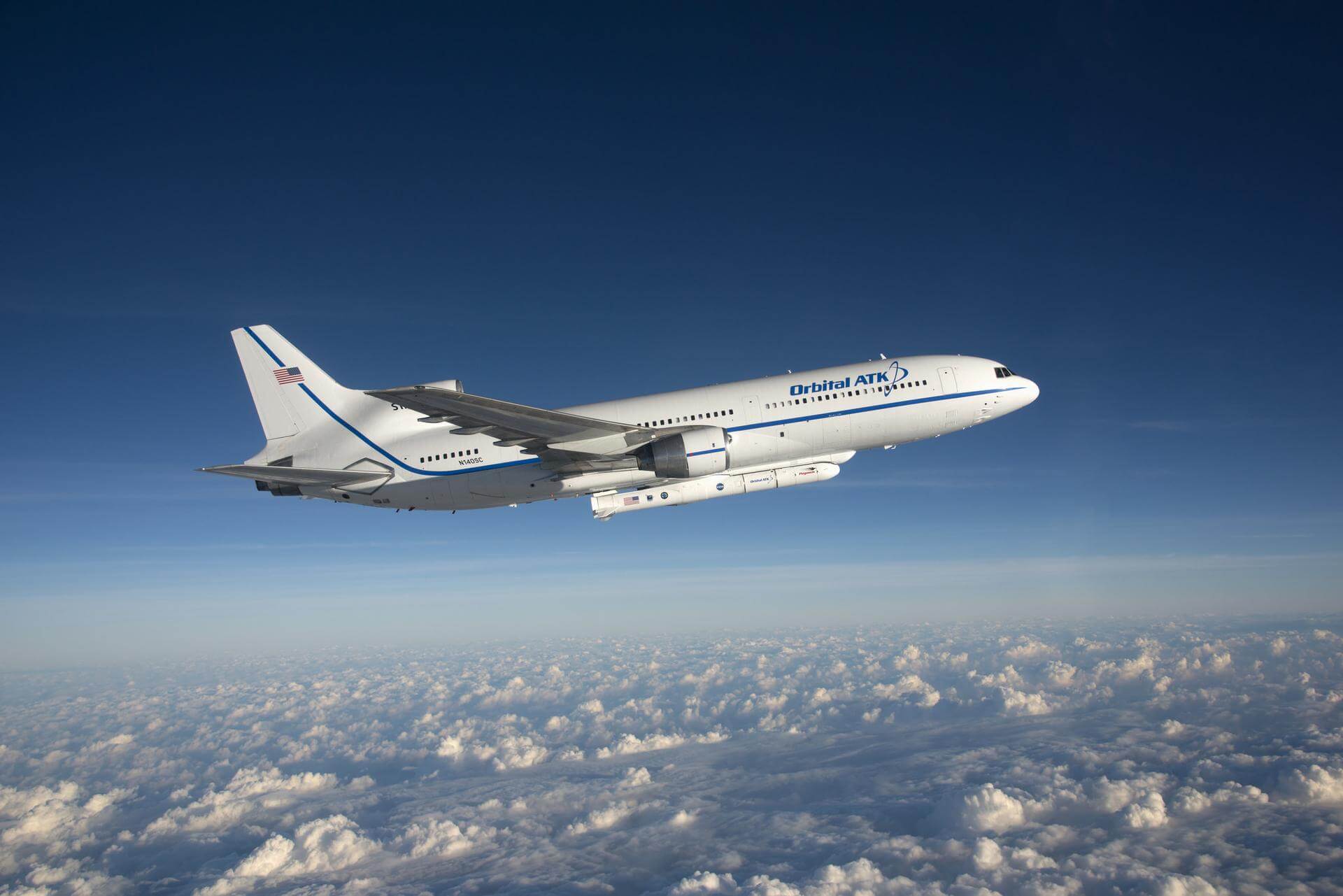
Pegasus XL | Submillimeter Wave Astronomy Satellite (SWAS)
Agency: N/A
Status: Launch Successful
Launch date: Dec. 6, 1998, 12:57 a.m. UTC
Rocket: Pegasus XL
Launch pad: Vandenberg Space Force Base
Location: Air launch to orbit
...
Latest news about this satellite
There are no fresh news available about this satellite. Check back as we update our databases every day.

Newsletter sign-up
Weekly statistics, charts and insights to help you stay on top of the space industry.
