
Key statistics
Satellite RAISE-4 at a glance.
Uptime
28
Days in orbit
Revolutions
≈ 15.1
Per day
Orbit
SSO
Sun Synchronous Orbit
Inclination
97.5
Latest
Satellite identification and parameters
Extended collection of information and parameters for RAISE-4.
Object identification
Identified? True
Debris? False
Object name: RAISE-4
International designator: 2025-297B
Object number (NORAD): 67073
Object ID (CCSDS): 67073
Country: JAPAN (JPN)
Current information (Y/N): Y
Orbital parameters
Period: 95.525 minutes
Inclination: 97.4862 deg
SMA: 6922.094 km
Apoapsis: 552.284 km
Periapsis: 535.635 km
RAAN: 162.6775 deg
Eccentricy: 0.00120261
Argument of periapsis: 212.5802 deg
Mean anomaly: 147.4685 deg
Mean motion: 15.07462372 rev/day
Mean motion (dot): 0.00005175 rev/day2
B* drag term: 0.00034477247 1/REarth
Two-line elements (TLE)
Creation date: Jan. 11, 2026, 3:09 a.m.
Reference frame: TEME
Reference center: EARTH
Epoch: Jan. 10, 2026, 9:49 p.m. UTC
TLE line 0: 0 RAISE-4
TLE line 1: 1 67073U 25297B 26010.90917159 .00005175 00000-0 34477-3 0 9994
TLE line 2: 2 67073 97.4862 162.6775 0012026 212.5802 147.4685 15.07462372 4181
Live tracking on map
Real-time ground track for satellite RAISE-4.
In-orbit conjunctions
There are no conjunctions computed for RAISE-4, at the moment. Check back to stay up to date, as we update our databases every day.
Go to all conjunctionsAssociated space launch
RAISE-4 (RApid Innovative payload demonstration Satellite-4) is a Japan Aerospace Exploration Agency (JAXA) satellite for on-orbit demonstrations of 15 demonstration components and equipment selected by public solicitation. The satellite will be operated in response to requests from the demonstration theme proposers, and will provide experimental data of the demonstration devices and environmental data during the experiments. 6 of the demonstration payload, as well as as well as 4 cubesats originally planned to ride on the same launch vehicle, are re-flight of those planned for RAISE-3, which failed to reach orbit in October 2022. The launch vehicle was switched from Epsilon-S to Rocket Lab's Electron due to continuous testing problems with the Epsilon-S' 2nd stage motor. The original 8 hitch-hiking cubesats will be launched on another Electron rocket later.
RAISE-4 was lifted into orbit during the mission ‘Electron | Raise and Shine (RAISE-4)’, on board a Electron space rocket.
The launch took place on Dec. 14, 2025, 3:09 a.m. from Rocket Lab Launch Complex 1B.
For more information about the launch, click the button.
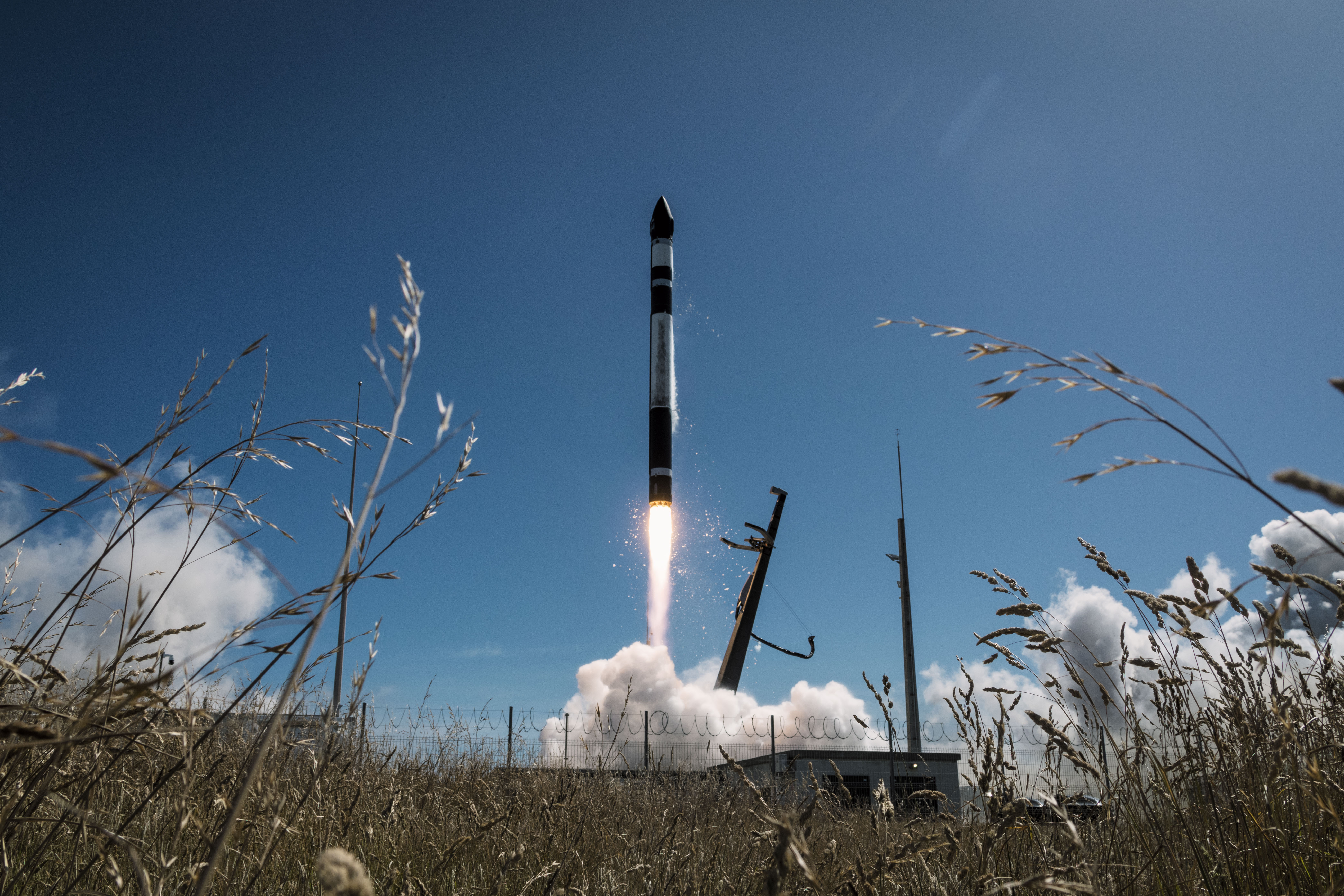
Electron | Raise and Shine (RAISE-4)
Agency: Japan Aerospace Exploration Agency
Status: Launch Successful
Launch date: Dec. 14, 2025, 3:09 a.m. UTC
Rocket: Electron
Launch pad: Rocket Lab Launch Complex 1B
Location: Rocket Lab Launch Complex 1, Mahia Peninsula, New Zealand
...
Latest news about this satellite

Rocket Lab completes first dedicated JAXA mission with Electron launch
Mahia, New Zealand (SPX) Dec 16, 2025 Rocket Lab Corporation has carried out its first dedicated launch for the Japan Aerospace Exploration Agency (JAXA), advancing the role of the Electron small launch vehicle in Japan's satellite technology demonst...

Rocket Lab launches JAXA tech demo satellite
A Rocket Lab Electron rocket successfully launched a technology demonstration satellite for JAXA Dec. 13 as the company reshuffles its launch manifest. The post Rocket Lab launches JAXA tech demo satellite appeared first on SpaceNews.

Launch Roundup: China, Russia, Rocket Lab, ULA join SpaceX in flying this week
The upcoming launch week, starting on Monday, Dec. 8, is a very busy one as… The post Launch Roundup: China, Russia, Rocket Lab, ULA join SpaceX in flying this week appeared first on NASASpaceFlight.com.

Newsletter sign-up
Weekly statistics, charts and insights to help you stay on top of the space industry.
